
In recent years, LED displays have emerged as a revolutionary force in the global sports industry, reshaping how fans engage with live events and transforming stadiums into immersive visual arenas. These high-tech visual solutions are now standard in major sports venues, offering unparalleled clarity, dynamic content presentation, and interactive experiences.
One of the core advantages of LED displays in sports is their ability to deliver crystal-clear visuals regardless of venue size or lighting conditions. With high-resolution panels, vibrant color accuracy, and adaptive brightness technology, LED screens ensure that spectators—even those in the highest tiers—can witness every detail of the action, from a soccer player’s precise footwork to a basketball player’s mid-air dunk. For example, many modern arenas now feature colossal center-hung displays that broadcast real-time replays, player stats, and instant highlights, enhancing the live experience by bridging the gap between distant seats and the field.
LED displays also offer unmatched flexibility in content customization. During breaks, they can switch from live gameplay to interactive fan polls, sponsor messages, or even augmented reality (AR) animations that engage the crowd. In outdoor stadiums, weather-resistant LED panels with IP65 ratings withstand harsh conditions, ensuring uninterrupted operation during rain or intense sunlight. Additionally, energy-efficient designs have reduced power consumption by up to 40% compared to traditional display technologies, aligning with global sustainability goals.
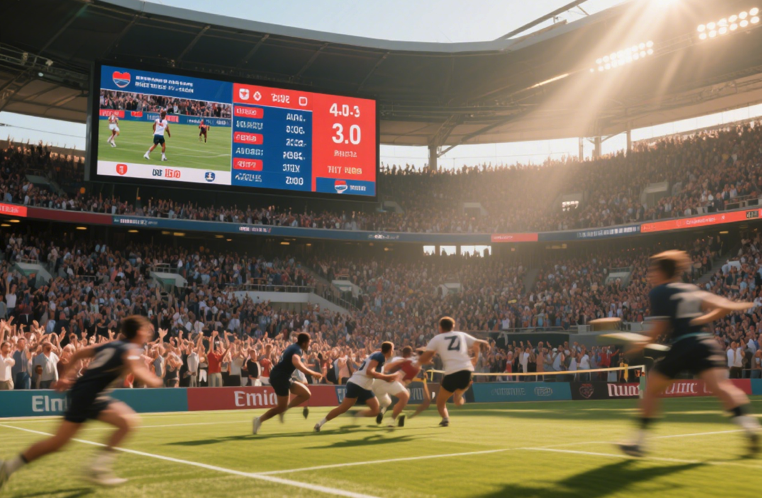
The integration of LED displays extends beyond spectator enjoyment; it also benefits teams and broadcasters. Coaches use real-time video feeds on sidelines for tactical adjustments, while broadcasters leverage LED walls for virtual advertising, allowing brands to customize ads for different regional audiences during live broadcasts. As the sports industry continues to prioritize fan engagement, LED displays are set to become even more innovative, with plans for transparent LED barriers, 360-degree circular screens, and AI-driven content personalization on the horizon.
This technological shift highlights LED displays as not just visual tools but essential components of modern sports entertainment, promising to redefine how fans, athletes, and brands interact with live events for years to come.